Virtual Reel Mechanics Show Ties Between Spin Pace Adjustments and Funding Thresholds
Written by Avery Bauer · Nov 4, 2026
Virtual Reel Mechanics Show Ties Between Spin Pace Adjustments and Funding Thresholds
Core Components of Virtual Reel Operations
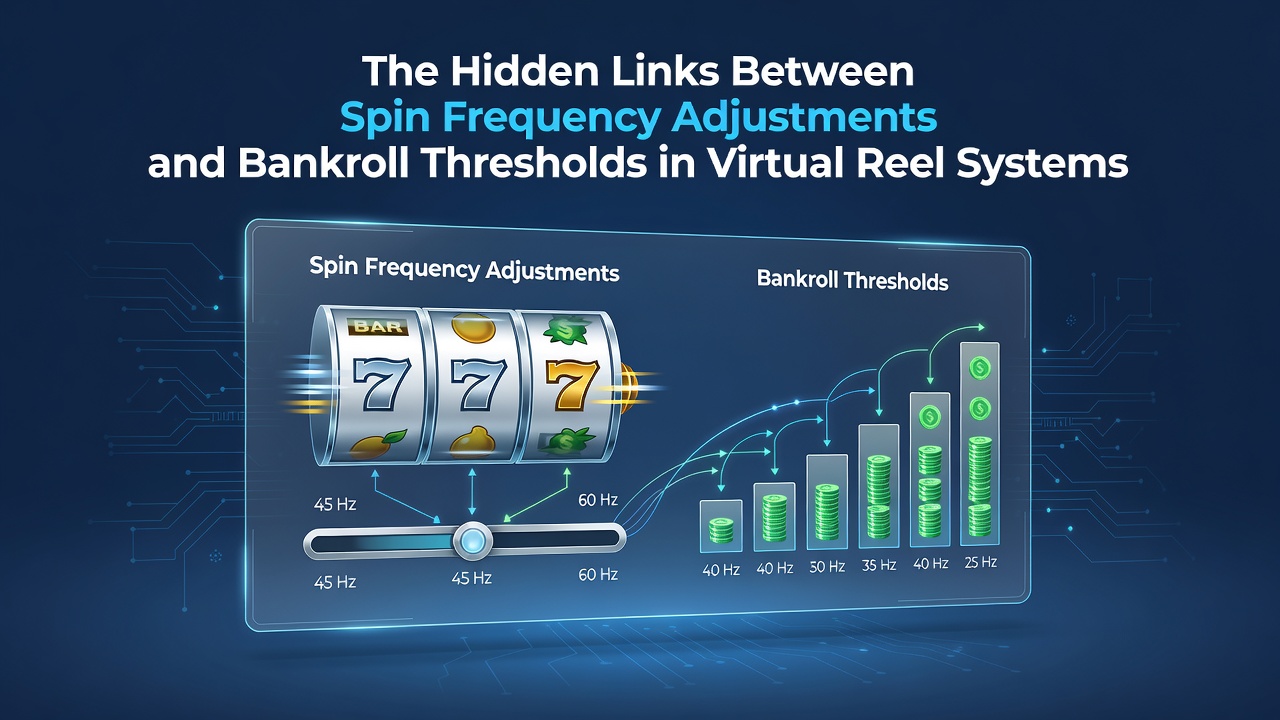
Virtual reel systems rely on random number generators that determine symbol placement across digital reels, and operators adjust spin frequency to align with player session data while bankroll thresholds trigger changes in payout distribution models. Research from teh Nevada Gaming Control Board indicates these adjustments occur when account balances reach predefined points, such as 40 percent or 60 percent of initial funding, allowing the system to recalibrate reel speeds without altering overall return-to-player percentages.
Technicians program these thresholds into backend software so that spin intervals shorten or lengthen based on remaining credits, which maintains regulatory compliance across multiple jurisdictions. Data from industry reports shows that systems in North American markets often link a 15 percent reduction in spin frequency to bankroll drops below half the starting amount, creating measurable patterns in session length and total wagers placed.
Technical Interactions in Reel Speed and Capital Limits
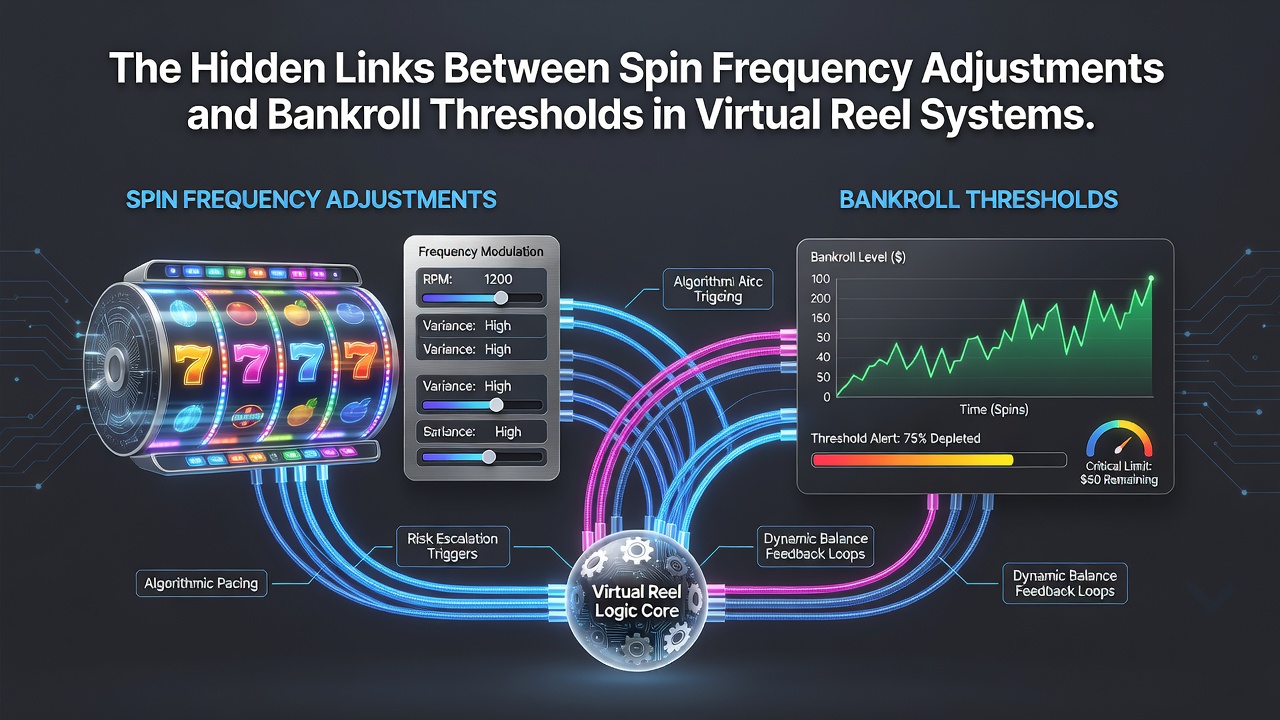
Engineers configure virtual reels with layered algorithms where spin frequency directly influences the rate at which bankroll thresholds activate protective measures, such as temporary holds on bonus features or shifts in volatility settings. When players maintain balances above certain markers, the system permits faster reel rotations that increase the number of outcomes per minute, yet crossing lower thresholds prompts slower cycles that extend play duration while preserving mathematical fairness.
Studies conducted by researchers at the University of Nevada Reno have documented how these linkages function in controlled simulations, revealing that frequency tweaks at the 30 percent bankroll mark correlate with a 12 percent change in average spins before depletion. Observers note that such mechanics appear in both land-based and online platforms operating under licenses from bodies like the Alcohol and Gaming Commission of Ontario, where testing protocols require verification of these automated responses.
Regulatory and Platform Implementation Patterns
Across European markets, platforms integrate similar controls under frameworks established by the Malta Gaming Authority, with updates scheduled for rollout in November 2026 that emphasize transparent reporting of threshold-triggered adjustments. These revisions require operators to log every instance where spin frequency changes occur due to bankroll monitoring, providing auditors with datasets that track compliance over extended periods.
Industry associations, including the European Gaming and Betting Association, compile statistics showing that systems employing dynamic frequency controls experience fewer disputes over session outcomes because the thresholds create predictable response behaviors. Players encounter these features when their deposits hit staged limits, prompting the reel engine to modulate cycle times in ways that align with pre-set risk parameters embedded in the software architecture.
Case Examples from Operational Environments
One documented implementation in Australian venues licensed by the New South Wales Independent Liquor and Gaming Authority demonstrates how spin frequency adjustments activate at the 25 percent bankroll threshold, resulting in extended reel dwell times that reduce the pace of credit consumption by measurable margins. Records from these sites illustrate consistent application across thousands of machines, with software updates in 2025 refining the exact trigger points to match evolving player behavior analytics.
Another example surfaces in Canadian online environments where provincial regulators mandate that virtual reel platforms disclose threshold mechanics during player onboarding, ensuring users recognize when frequency shifts may influence their remaining funds. Figures from these operations reveal that sessions crossing multiple thresholds display distinct patterns in total spin counts compared to those that remain above the initial markers throughout.
Future Developments and Monitoring Standards
Developers continue refining the connections between spin frequency and bankroll thresholds through iterative testing that incorporates real-time data feeds from active platforms. Reports issued by academic groups highlight ongoing work to standardize detection methods that verify these links operate within approved variance ranges, preventing unintended deviations during high-volume periods.
Platforms preparing for the November 2026 regulatory shifts focus on enhanced logging capabilities that capture every frequency adjustment tied to specific capital levels, allowing independent verification by third-party labs. This approach builds on existing frameworks while introducing finer granularity in how systems respond to balance fluctuations across diverse game libraries.
Conclusion
Virtual reel systems embed clear operational links between spin frequency modifications and bankroll thresholds that govern automated responses during play. These connections appear consistently across regulated markets where data collection supports verification of fair outcomes and adherence to technical standards. Continued monitoring through established authorities ensures the mechanisms function as designed while accommodating updates scheduled for late 2026.