Mapping Unified Reward Networks Across Table Games and Slot Machines in Casino Environments
Written by Dana Schmitz · Oct 21, 2026
Mapping Unified Reward Networks Across Table Games and Slot Machines in Casino Environments
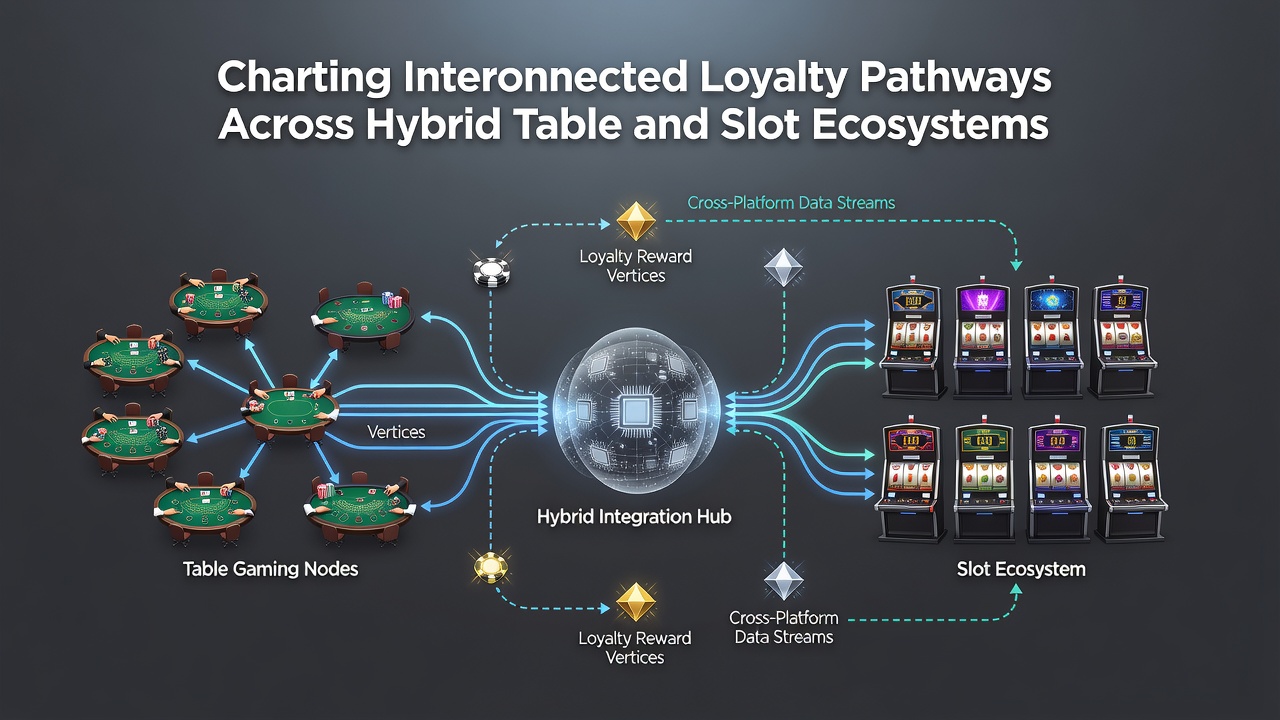
Modern casino operations integrate loyalty systems that track player activity across table games and slot machines through shared databases and tier structures, allowing points earned from blackjack sessions to convert directly into slot credits or vice versa in many venues. These pathways rely on centralized software platforms that monitor metrics such as average bet size, session duration, and game type participation while adjusting reward multipliers based on combined play volume.
Core Mechanics of Cross-Game Point Accumulation
Operators assign base point values that scale according to wager amounts, yet table games often receive different multipliers compared to slots because of house edge variations and player volume patterns, data from the American Gaming Association indicates through annual industry analyses. A player completing a $100 hand at a roulette table might earn the same tier credit as a $50 spin on a video slot machine when the system applies hybrid conversion rules, and these adjustments occur automatically via real-time algorithms that balance revenue contributions from each game category.
Redemption options expand when pathways connect, since accumulated points unlock free play vouchers usable on either format without separate accounts, whereas isolated programs restrict transfers and reduce flexibility for frequent visitors who alternate between game types during single visits.
Technology Driving Integration in 2026
Software providers rolled out updated modules in October 2026 that enable seamless data sharing between electronic table terminals and traditional slot networks, reducing latency in point posting from minutes to seconds across large properties. Casinos in multiple jurisdictions adopted these tools to consolidate player profiles, and the result appears in unified mobile apps that display total lifetime value regardless of game preference while suggesting personalized offers based on historical transitions between tables and machines.
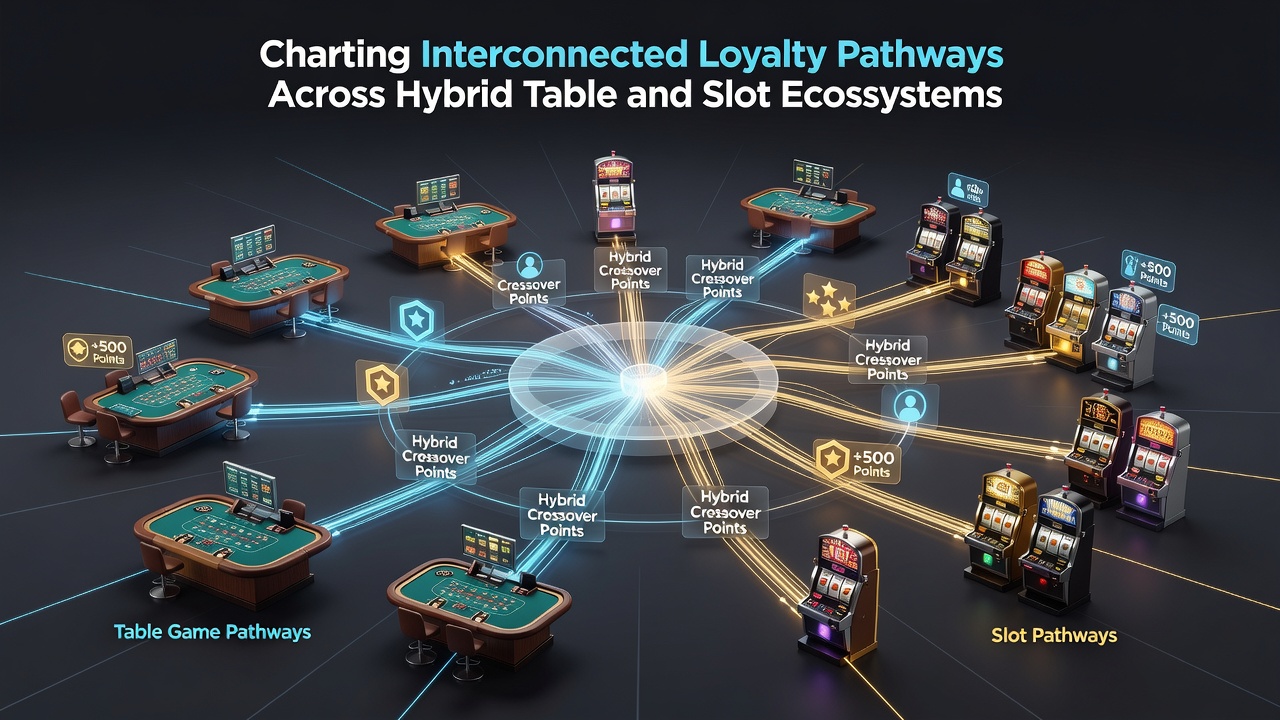
Observers note that such platforms incorporate predictive elements drawn from machine learning models trained on millions of transactions, allowing operators to forecast when a player might shift from slots to poker and pre-load targeted bonuses accordingly without manual intervention from floor staff.
Regional Variations in Pathway Design
North American properties tend to emphasize tier acceleration through combined play, while European facilities focus on cashback percentages that apply uniformly once thresholds cross both categories, according to reports issued by the Canadian Gaming Association on operational trends. Australian venues often layer additional perks such as hotel upgrades earned only after players meet blended volume targets spanning electronic gaming machines and live dealer pits, creating distinct incentive layers that encourage longer overall engagement periods.
Research from the University of Nevada, Las Vegas Center for Gaming Research reveals that properties using interconnected systems report higher retention rates among mid-tier players compared to those maintaining separate ledgers, because the unified view prevents points from fragmenting across game silos and losing perceived value.
Player Behavior Patterns and System Responses
Those who study transaction logs find that participants frequently alternate between game types within the same visit, with slot sessions serving as low-stakes warm-ups before moving to higher-limit table action or the reverse when bankrolls fluctuate. Loyalty platforms respond by recalibrating point earning rates mid-session to maintain momentum, and case examples from large integrated resorts show that such dynamic adjustments correlate with extended dwell times and increased ancillary spend on food and entertainment.
Take one operator who implemented cross-game tracking in a multi-floor facility: the system flagged players approaching tier thresholds and issued immediate slot free-play incentives that pulled them back from table areas, thereby balancing machine utilization during peak evening hours.
Future Developments in Hybrid Ecosystems
Industry analysts project further convergence as wearable devices and contactless interfaces feed additional data streams into loyalty engines, enabling real-time pathway adjustments based on biometric signals or location within the casino floor. Partnerships between technology firms and regulatory bodies in several countries continue to standardize data security protocols that protect these interconnected records while preserving the ability to offer seamless redemptions across game formats.
Conclusion
Hybrid loyalty structures continue to evolve through software enhancements and regional adaptations that prioritize unified tracking over isolated game categories, with October 2026 marking notable platform upgrades that accelerated point integration. The resulting networks support more fluid player movement between tables and slots, backed by data aggregation from diverse sources including academic studies and trade association reports that document measurable shifts in engagement metrics.