Charting the evolution of algorithmic payout adjustments in real-time slot networks across independent operators
Written by Dana Schmitz · Nov 18, 2026
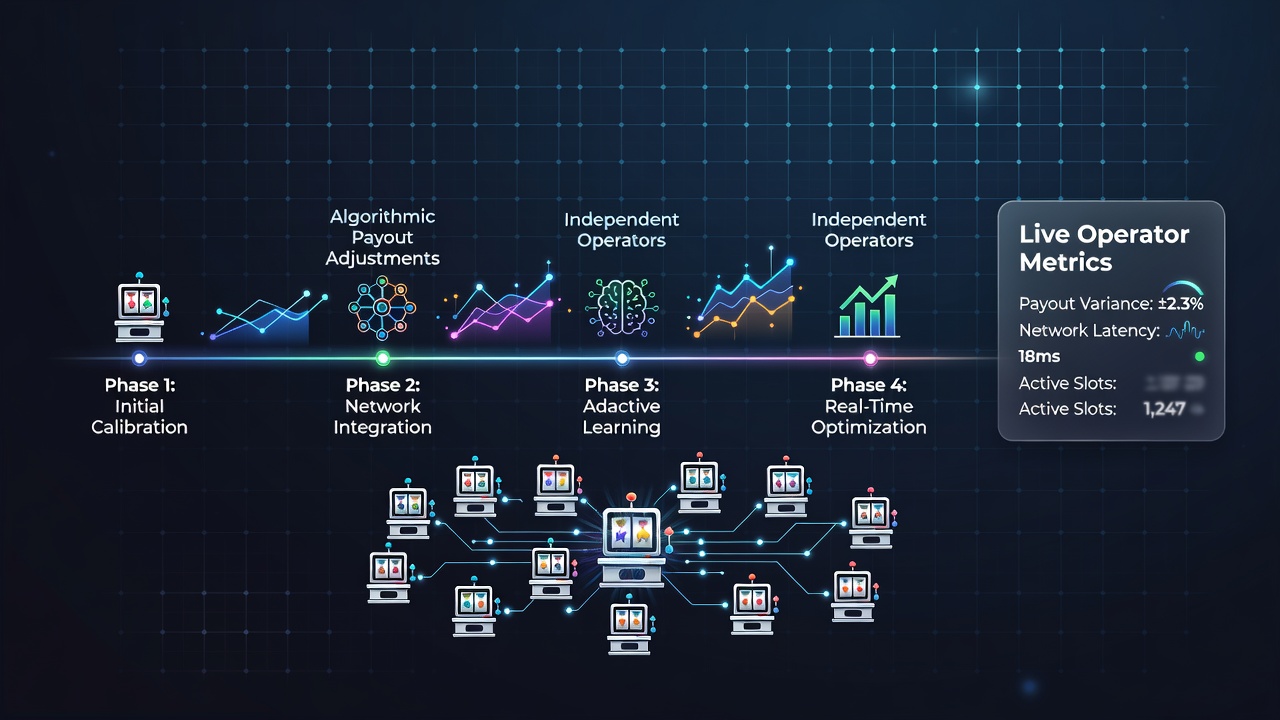
Charting the evolution of algorithmic payout adjustments in real-time slot networks across independent operators
Independent operators began integrating basic random number generators into slot machines during the late 1990s, and those early systems relied on fixed return-to-player percentages that operators set manually before each session, whereas network connectivity remained limited to local area setups that prevented any cross-site data sharing. Researchers at university labs documented how these static models produced consistent but inflexible outcomes, and data from industry reports indicated that operators needed weeks to recalibrate machines when player traffic shifted.
Transition to Networked Systems
By the mid-2000s several independent groups started linking their floors through wide-area networks that transmitted play data in batches every few hours, while software developers introduced the first payout adjustment scripts that responded to aggregate win-loss ratios across multiple venues. Those scripts still operated on scheduled updates rather than true real-time inputs, yet they reduced manual intervention by roughly forty percent according to figures published by the Nevada Gaming Control Board.
Emergence of Real-Time Algorithms
Real-time processing arrived around 2012 when cloud infrastructure allowed continuous data streams from individual terminals, and programmers embedded machine-learning models that monitored session length, bet size distribution, and time-of-day patterns to tweak payout parameters on the fly. One study released by the Australian Gambling Research Centre revealed that operators using these models saw a measurable tightening of variance ranges within single gaming days, although regulatory frameworks in various jurisdictions required disclosure of any dynamic changes to maintain transparency standards.
Independent Operator Networks in Practice
Independent operators formed cooperative slot networks that pooled liquidity across dozens of smaller sites, and central servers applied algorithmic adjustments based on collective performance metrics rather than isolated venue results. Data shows these shared networks achieved more stable daily revenue curves because algorithms could shift payout rates incrementally when one location experienced unusually high traffic while another remained quiet. Observers note that the approach differs sharply from corporate chains that maintain centralized control through proprietary platforms.
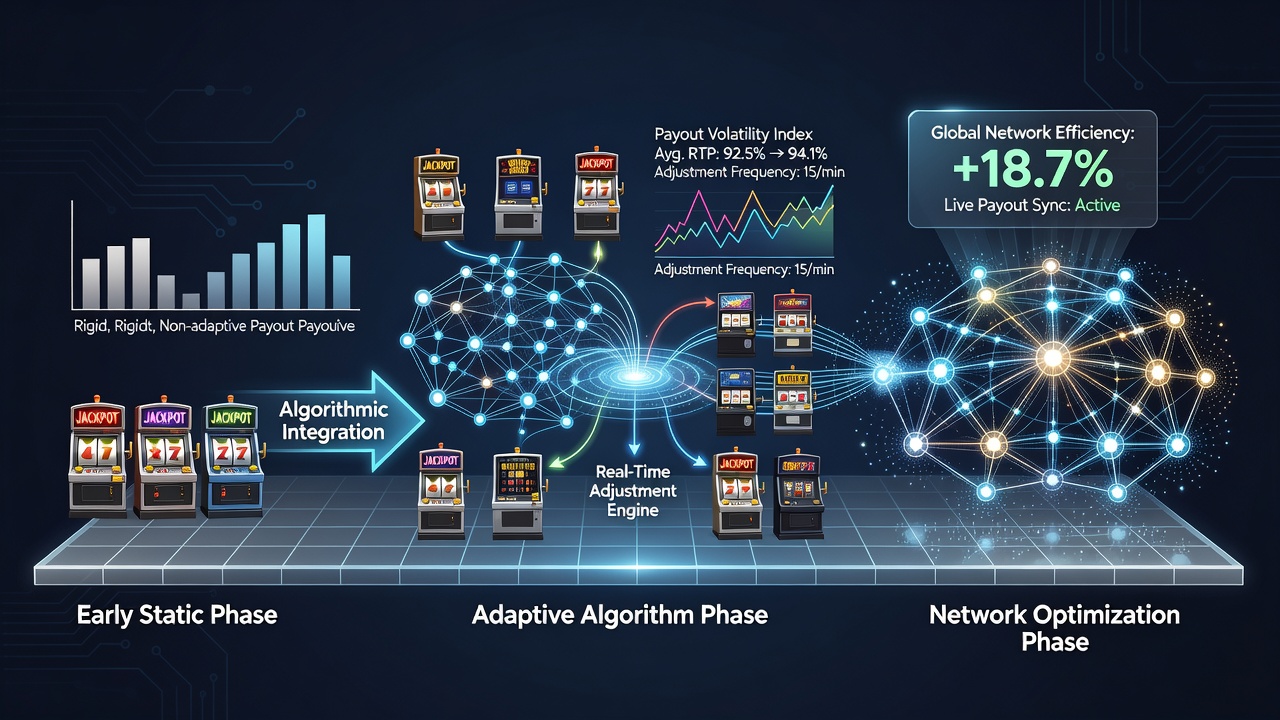
Implementation typically involves three layers: edge devices that capture every spin, an aggregation layer that normalizes data formats from different machine types, and a decision engine that calculates new payout weights every few minutes. Engineers at research institutions have published papers detailing how reinforcement-learning variants optimize these weights against predefined targets such as target hold percentages and player-retention thresholds.
Regulatory and Technical Milestones Through 2026
European regulators introduced guidelines in 2024 that required logging of every algorithmic change with timestamp and justification, and similar requirements appeared in several North American markets shortly afterward. By November 2026 independent operator consortia reported deploying updated models that incorporate weather data and local event calendars to anticipate volume spikes, while maintaining audit trails that satisfy oversight bodies across multiple regions. Industry associations such as the European Gaming and Betting Association have hosted working groups that compare adjustment methodologies without mandating uniform standards.
Case examples include a Midwest network that reduced downtime during peak holiday periods by allowing its algorithm to raise hit frequencies temporarily on low-denomination machines, and a Pacific-coast group that used cross-site data to balance progressive jackpot contributions when one venue's terminals showed declining participation. Both instances relied on the same core principle: continuous feedback loops that replace periodic manual reviews.
Conclusion
The progression from fixed-percentage generators to adaptive, network-wide algorithms reflects broader advances in data infrastructure and regulatory expectations, and independent operators continue testing refinements that respond to live conditions across shared platforms. Documentation from academic sources and government agencies indicates sustained interest in balancing operational flexibility with verifiable fairness, while technical standards evolve alongside processing capabilities.